
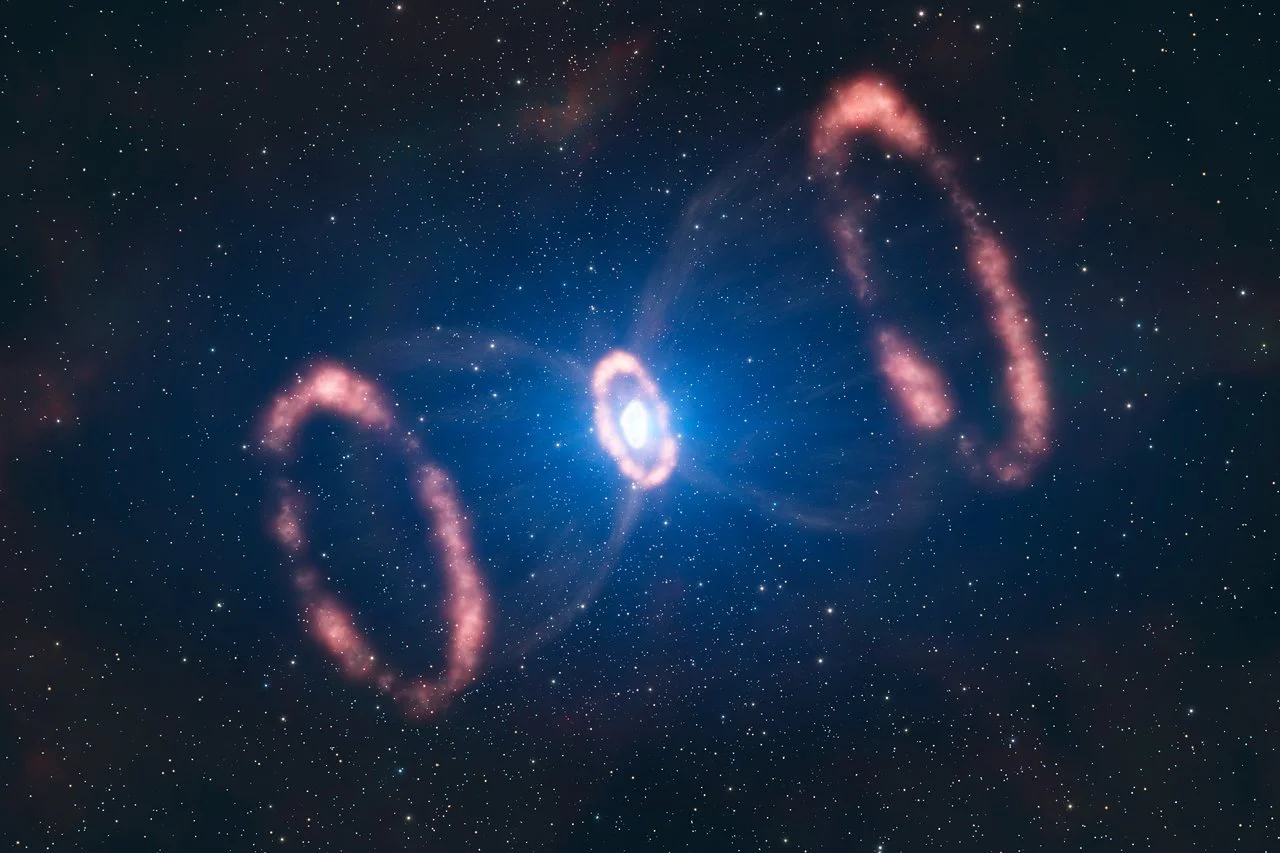

We are Readers of Stars
—— A new interpretation of cosmic events as mass media and collective memory
What is media, if not something we invest with meaning until it acquires the power to remake us?
The night sky itself is a medium in its own way, and an exploding star is a message whose authors were the people watching it. Across centuries, supernovae entered human history as accusations against emperors, declarations of divine intention, and ruptures in seemingly unshakable visions of the universe. The stars had said nothing, yet civilizations heard enough to question their rulers, their gods, and the architecture of reality.
Through this study, I explore cosmic events as media events: moments when humanity gives meaning to the universe, then lives under the authority of its own interpretations. I want to trace that extraordinary passage from light to meaning, and from meaning to power.

SN 1006
Who Gets to Interpret the Sky?
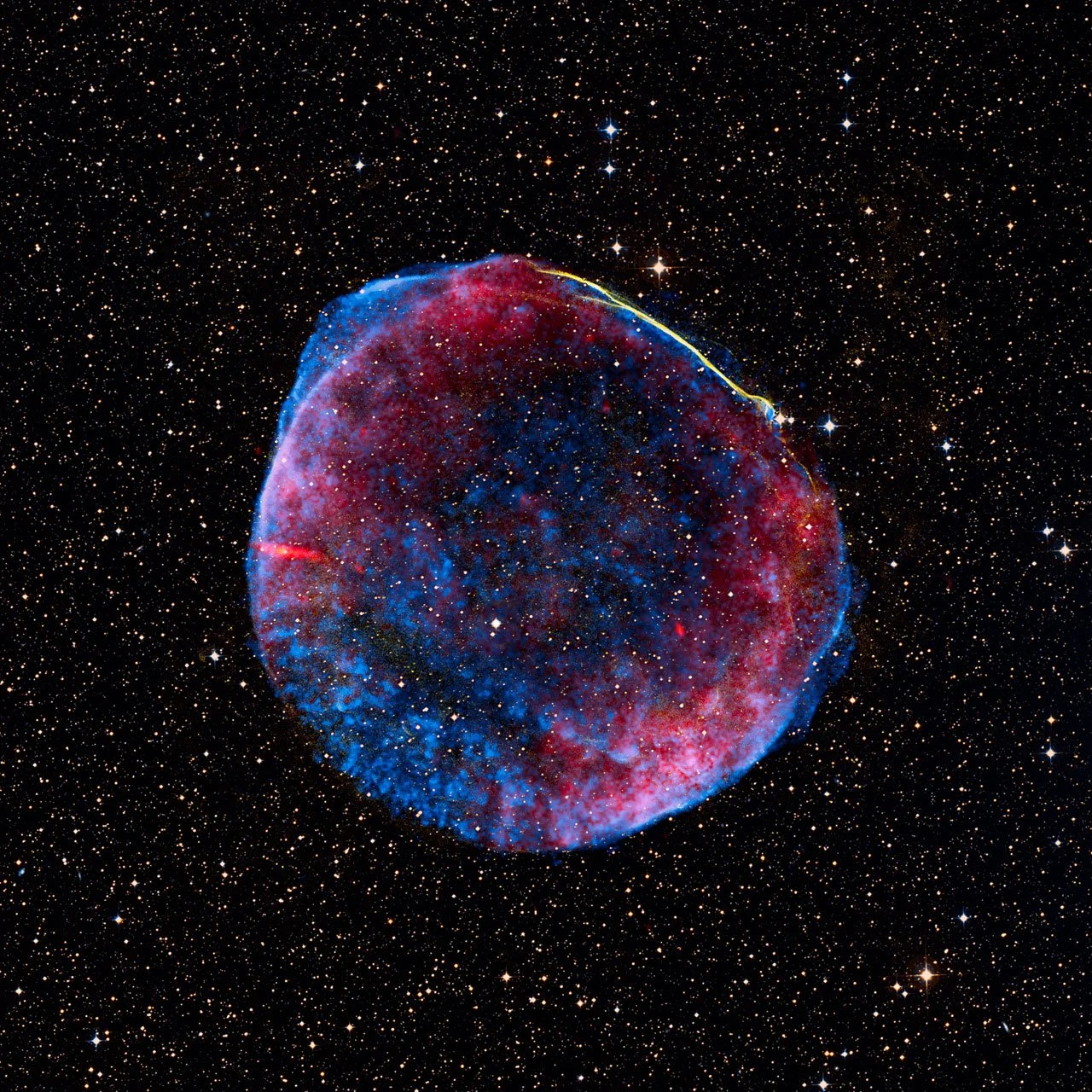
When a brilliant new star appeared in 1006, the Song court faced a question that was as political as it was astronomical: what was Heaven saying? Some interpreted it as an omen of warfare. The astronomer Zhou Keming instead identified it as an auspicious star announcing prosperity, urging the court to celebrate and reassure the public. The emperor welcomed his reading. What fascinates me is that the light itself had not changed; its political meaning had. I see this as a struggle over authorship: whoever could establish what the star “said” could turn a distant explosion into a message about earthly power.
SN 1572
One Star, Two Worlds
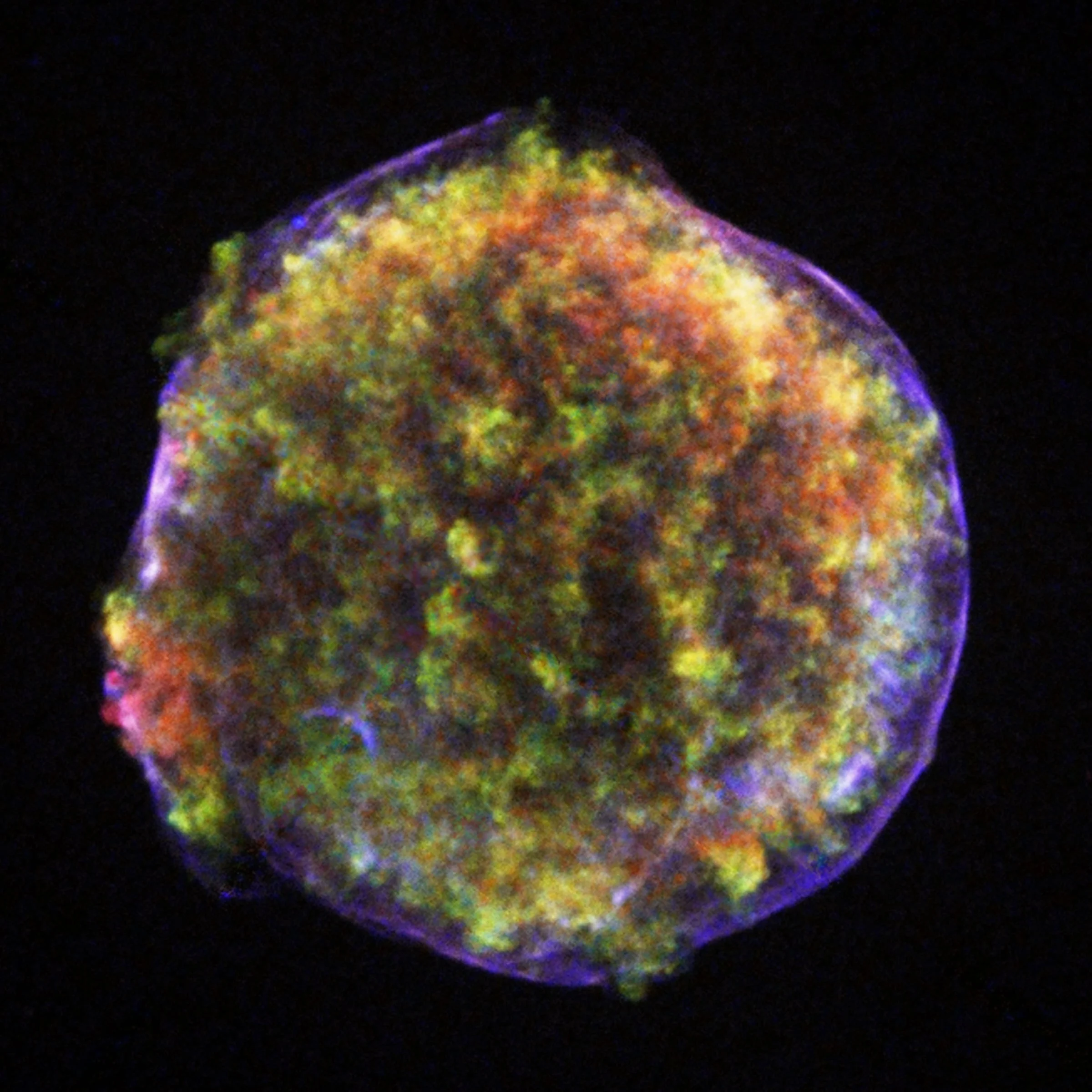
When SN 1604 appeared, the debate soon travelled from the sky into lecture halls and print. Galileo delivered three public lectures in Padua, arguing that the star lay beyond the Moon and therefore challenged the supposed immutability of the heavens. An opposing booklet followed, then a satirical dialogue in local dialect, commonly attributed to Galileo and Girolamo Spinelli, which mocked the Aristotelian response through a conversation between two peasants. This is where the idea of a cosmic media event becomes especially vivid to me: an astronomical observation became a public controversy, fought through explanation, rebuttal, and ridicule. Its influence grew through the ways people made it speak.
SN 1604
A New Star, a Public Argument
An account by the physician Ibn Butlan, preserved in a later medical history and associated by scholars with SN 1054, connected an unusual celestial appearance with epidemic disease. Drawing on astrological traditions, he placed suffering on Earth within a larger cosmic order. I am struck by how this interpretation made an unfamiliar light into an explanation for catastrophe: the sky offered a language through which disaster could become intelligible. The surviving account’s dates and location remain debated, so its details require caution. Yet it raises a powerful question for my study: when we search the universe for meaning, how much of what we find is an expression of our own fears?
The same sky could speak in radically different voices. Comparing China, the Islamic world, and Europe, I explore how exploding stars became political messages, explanations for suffering, and challenges to established knowledge.
China — The Sky as a Language of Power
In imperial China, reading the sky was part of governing the empire. Court astronomers recorded celestial changes within a political order that connected the emperor’s conduct to Heaven’s approval. A new star could become an endorsement of his rule or a warning demanding restraint. What interests me is the flexibility of this language: Zhou Keming could interpret SN 1006 as a sign of prosperity, while the appearance of SN 1572 prompted Wanli’s public self-reflection. I see the sky as a contested medium through which rulers and officials negotiated authority. The question was both what Heaven meant and who had the power to speak on its behalf.
The Islamic World — A Sky of Interwoven Meanings
The accounts I examined from the Islamic world bring astronomical observation into conversation with medicine, astrology, and poetry. Ali ibn Ridwan carefully described the brightness of SN 1006; Ibn Butlan’s account associated an unusual celestial appearance with epidemic disease; a poem attributed to Ibn Sana’ al-Mulk used SN 1181 to praise Saladin. These writers made the sky meaningful through different forms of expression, each addressing different human concerns. What draws me to these accounts is how readily a star could cross the boundaries we now draw between disciplines. Its light could become a measurement, an explanation for suffering, or an image of political glory—a shared phenomenon translated into several languages of meaning.
Christian Europe — Was God Still Writing the Heavens?
A new star could raise a question far greater than its distance: was God still creating? The supernova of 1604 invited speculation about divine power and inspired Kepler to revisit the Star of Bethlehem, searching contemporary observations for clues to sacred history. What fascinates me is how scientific inquiry and religious interpretation could inhabit the same act of looking. A star could challenge an inherited cosmology while opening new possibilities for understanding God’s intentions. Yet Kepler also recognized the uncertainty of his readings. I see here a profound tension: the universe might be understood as a message, while its observers remained fallible interpreters of what they believed it said.
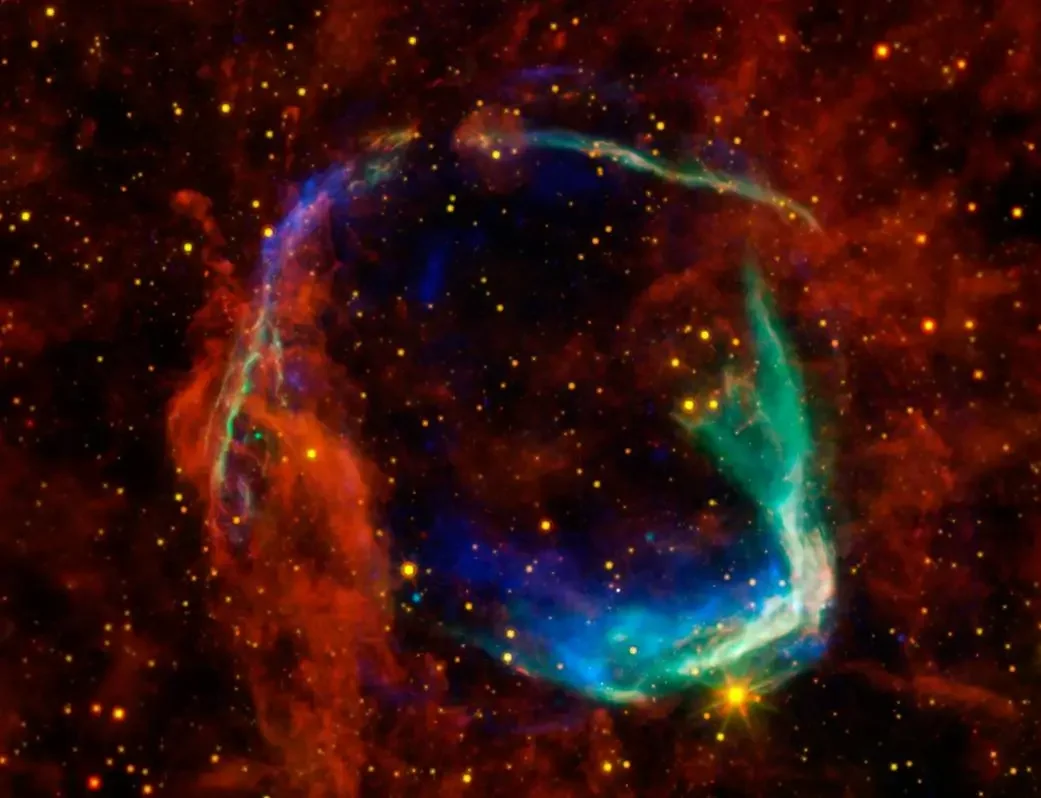
SN 185, Earliest Supernova observed by human
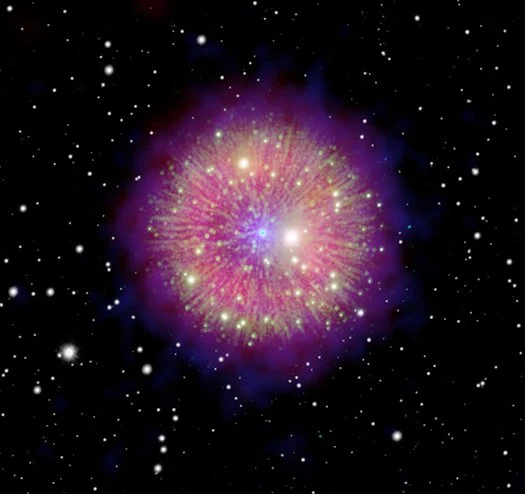
SN 1181
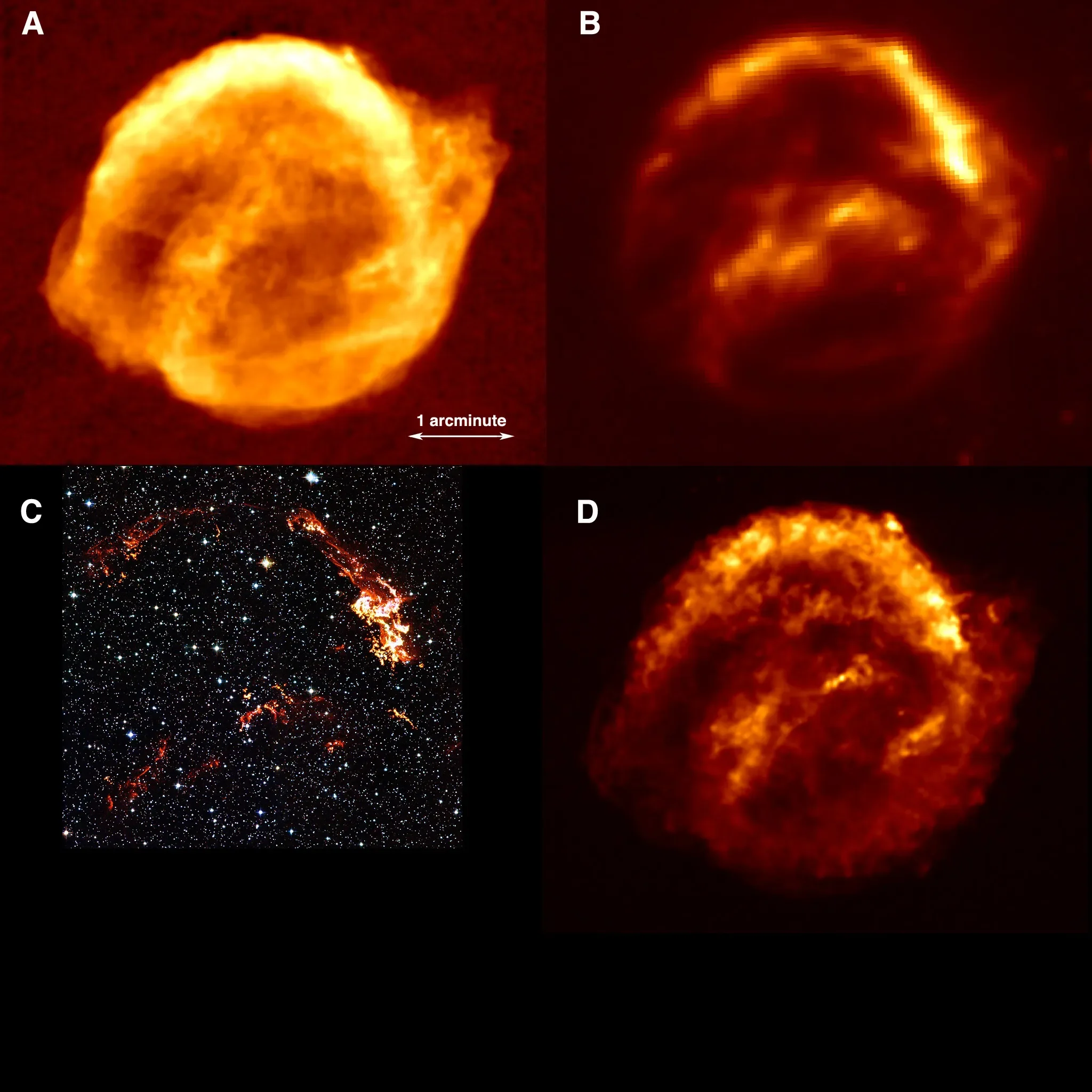
SN 1604