
Twenty Years to Make Some Noise
—— A Producer’s Field Notes from Penang
A place that kept having to move
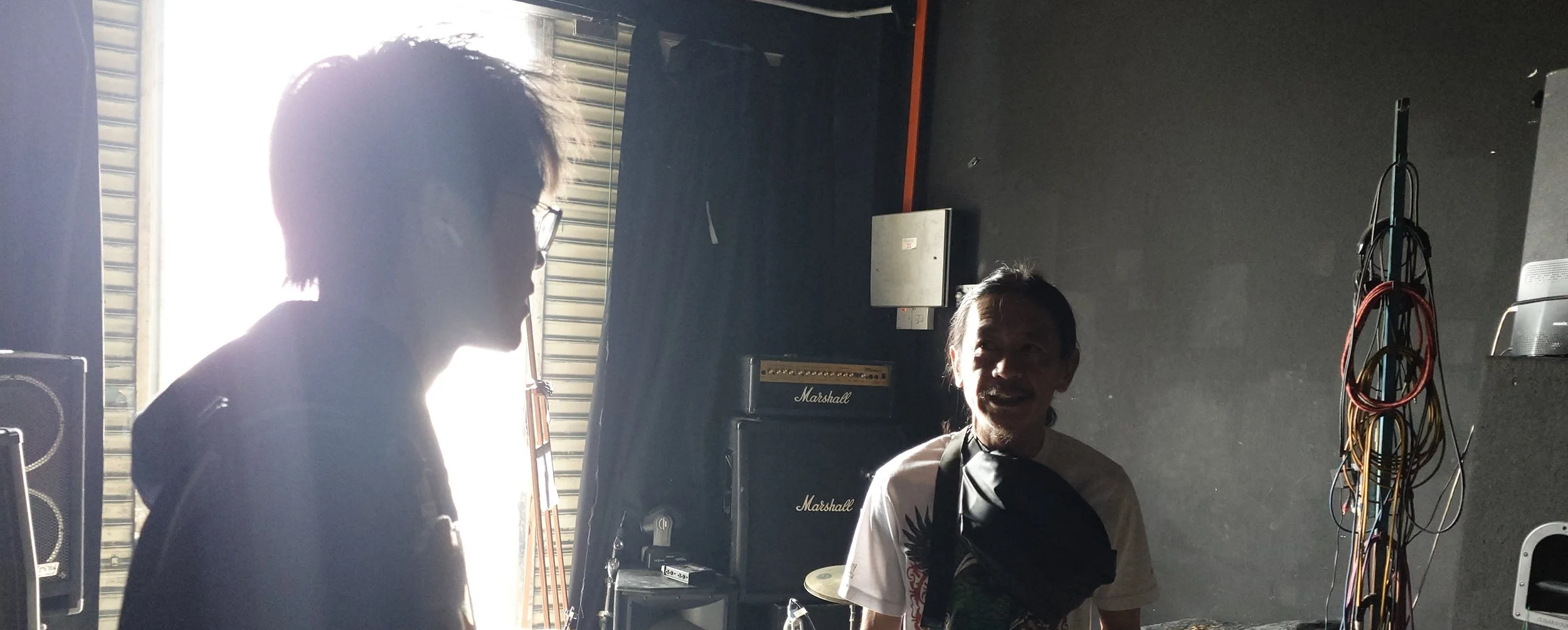
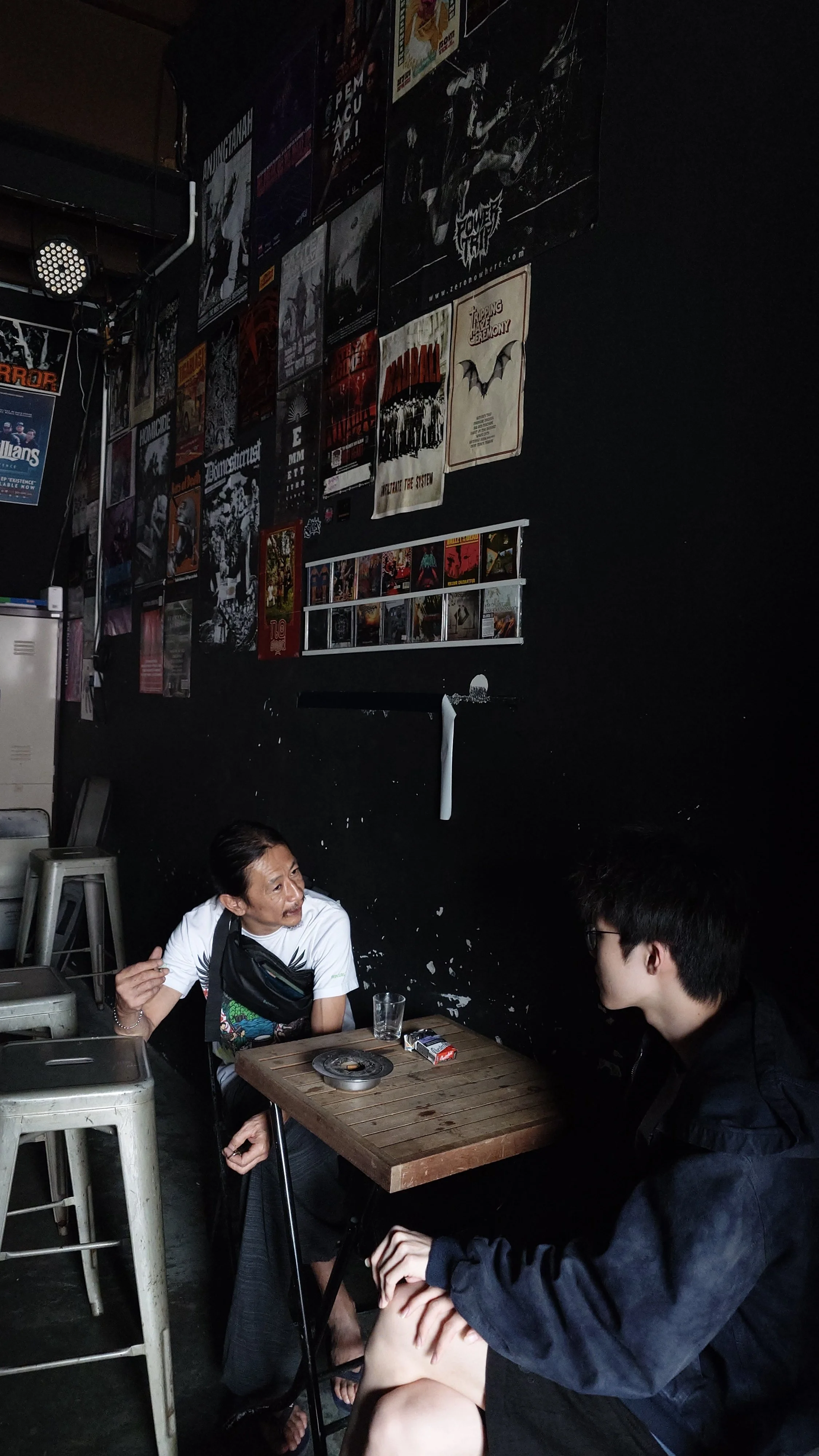
During our conversation, the owner described a much longer and less secure history than the evening’s performance suggested. He had worked in the live music industry for around twenty years, but, according to his account, this was the first year he had obtained a formal license to operate his venue.
Previously, access to premises had often depended on personal relationships with property owners or the people managing buildings. He described arrangements involving local associations and guilds, where knowing someone willing to accommodate the venue could make its operation possible. Those relationships, however, did not guarantee continuity. When leadership changed, the new decision-makers might question the arrangement, and he could be required to leave. He recounted having to relocate repeatedly.
His story changed what I noticed about the room. The posters represented performances and connections accumulated over time, while the space holding them remained vulnerable to decisions made elsewhere. Keeping a music venue alive required negotiation as well as musical commitment.
Noise added another difficulty. George Town’s historic centre forms part of a UNESCO World Heritage site, with an existing urban fabric that carries its own demands for conservation and everyday use. The owner explained that finding suitable premises among older buildings, close to other occupants and neighbours, was difficult. A room could accommodate instruments and an audience yet still be unsuitable for loud performances late into the evening.
I began to see how a music scene could remain small for reasons that had little to do with its musicians’ abilities or its listeners’ curiosity. It needed affordable space, stable permission, workable relationships, and neighbours who could live with its sound. The music I had considered “advanced” depended on arrangements that were often fragile.
What the room made possible
The owner also told me that many of his patrons were local Malays, including people from Muslim backgrounds, who came looking for music different from what they usually encountered within their communities.
This complicated another assumption I had brought with me. I had treated religion and ethnicity as if they could explain a person’s musical preferences in advance. I imagined communities as internally consistent: a shared background would produce a shared culture, and that culture would determine what people wanted to hear.
The audience he described did not fit those categories so neatly. Their presence suggested that people could seek experiences beyond the expectations associated with their backgrounds while continuing to belong to those backgrounds. Coming to Soundmaker did not, by itself, tell me what someone believed or how they related to their family, religion, or community.
It did suggest that the venue offered room for another part of their lives.
I began to understand its music as having a countercultural function. The harder sounds, the performances, and the opportunity to gather around them made an alternative social space possible. People whose preferences had little room elsewhere could find others who shared them. A musical taste that might feel isolating in one setting could become a basis for connection here.
I could not assume that every patron came for the same reason. Some might value the performers’ skill, others the intensity of the sound, the company, or the freedom to spend an evening differently. But the owner’s account made it clear that evaluating the music as “good” could only explain part of the venue’s significance. Its value also lay in what listening together allowed people to do.
Listening beyond the composition
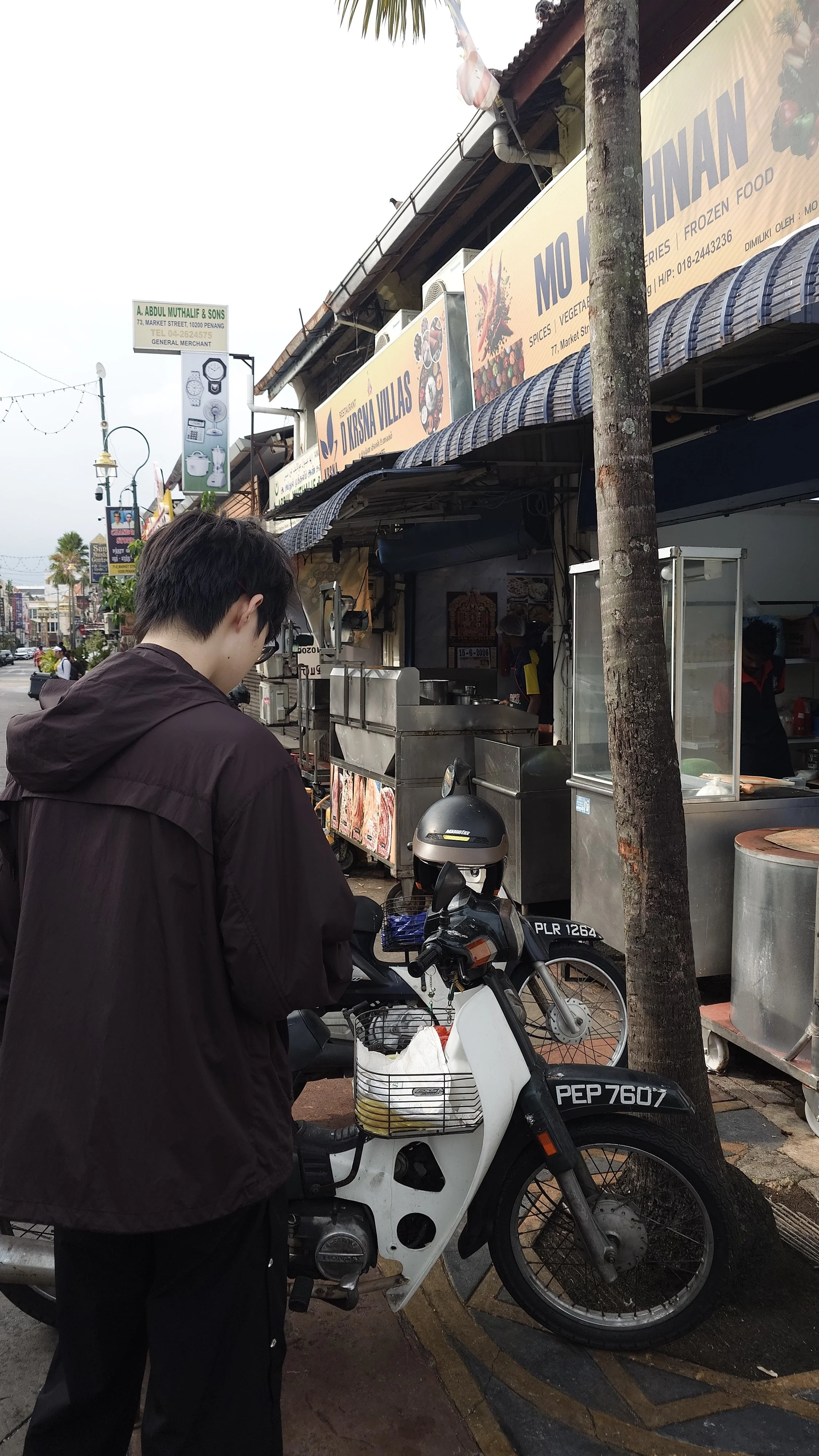
Elsewhere in Penang, a shop gave me a different example of sound serving a purpose I had initially overlooked. During our visit, we learned that it played Buddhist chanting in the morning and switched to popular music later in the day.
My first response was technical. I noticed repetition, limited melodic movement, and little of the variation I usually sought in a composition. I wondered why a shop would choose this sound rather than music designed to create an appealing shopping atmosphere.
When I asked, the explanation was simply faith.
I had assumed that sound in a shop should serve the business: establish a mood, hold customers’ attention, and support the experience of buying something. The answer revealed another purpose. Playing the chanting was itself a devotional practice. Its value did not depend on whether I found it musically interesting or whether it helped sell products.
I returned to my notes and found how frequently I had mistaken my preferred function of music for its universal purpose. I wanted innovation, expressive complexity, and interesting sound design. From those preferences, I had inferred what music ought to become everywhere.
Even my language carried that assumption. “Behind” implied a destination everyone should be moving toward. “Ahead” suggested that proximity to the electronic styles I admired marked progress. Calling something “Western” became, almost without my noticing, a way of granting it authority.
Soundmaker and the shop asked different things of sound. One offered a gathering place for people seeking an alternative musical experience; the other brought religious practice into the working day. Neither could be adequately understood through the production standards I used for my own compositions.
Learning to hear the relationship
My visit did not make musical judgment disappear. I still preferred some sounds to others, and my experience as a producer helped me hear details I might otherwise have missed. But I began to recognize the limits of that expertise. Identifying a genre or an effect could tell me how a sound was made. Understanding its place in someone’s life required listening to the person as well.
I had entered Soundmaker expecting the performance to tell me how far Penang’s music had progressed. The owner instead told me about relationships, relocations, permission, neighbours, and the people who kept coming. Through his account, the music became inseparable from the effort to sustain a place for it.
The question I carried away was therefore different from the one I had arrived with. Rather than asking where a society stood on my imagined musical timeline, I wanted to ask what people were making possible through sound—and what they had to negotiate to keep doing so.
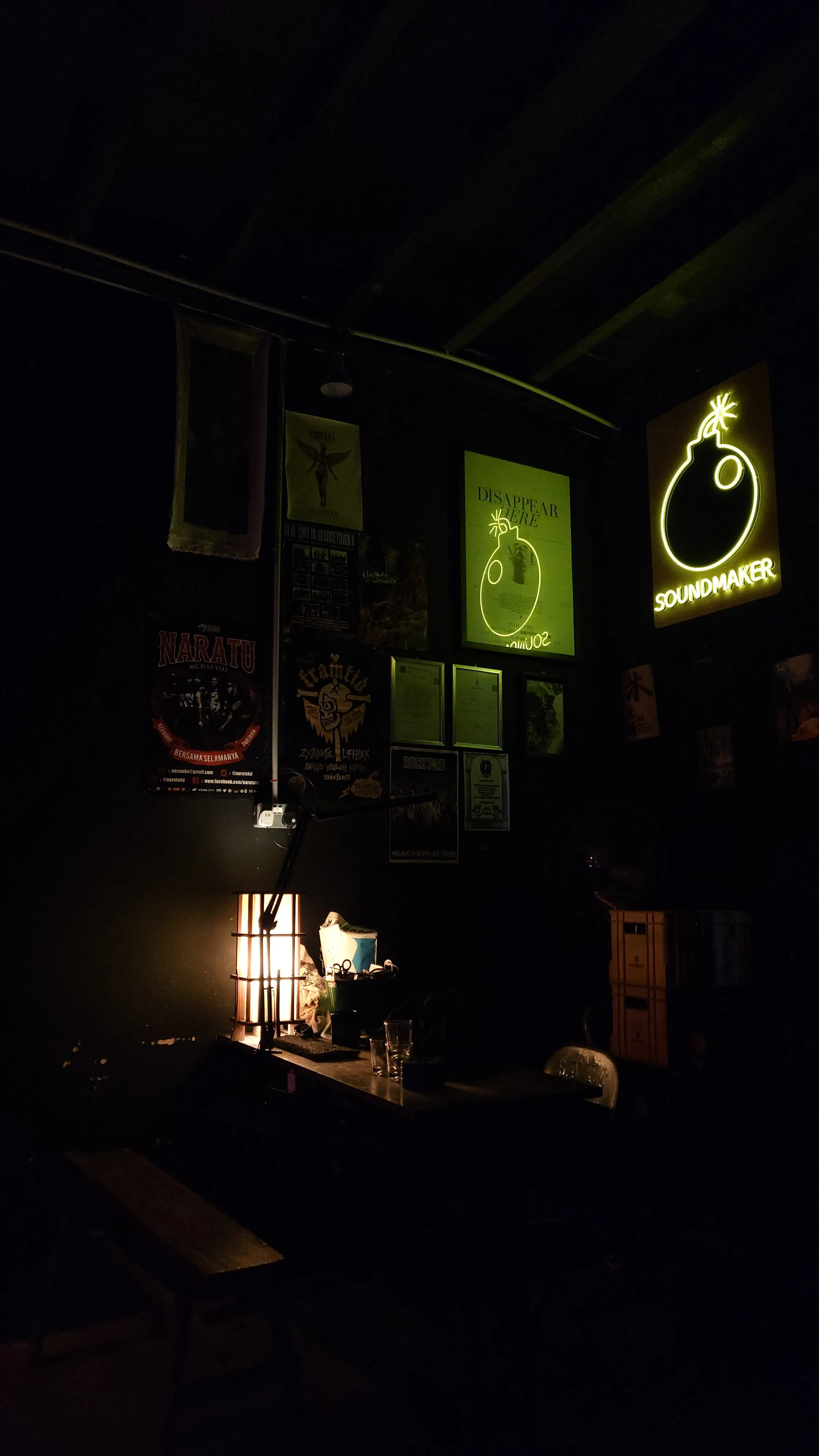
The cables, posters, and speakers inside Soundmaker belonged to a particular room in George Town. The music acquired meaning through the people who gathered there. Learning to hear that relationship was the beginning of my ethnomusicological study.
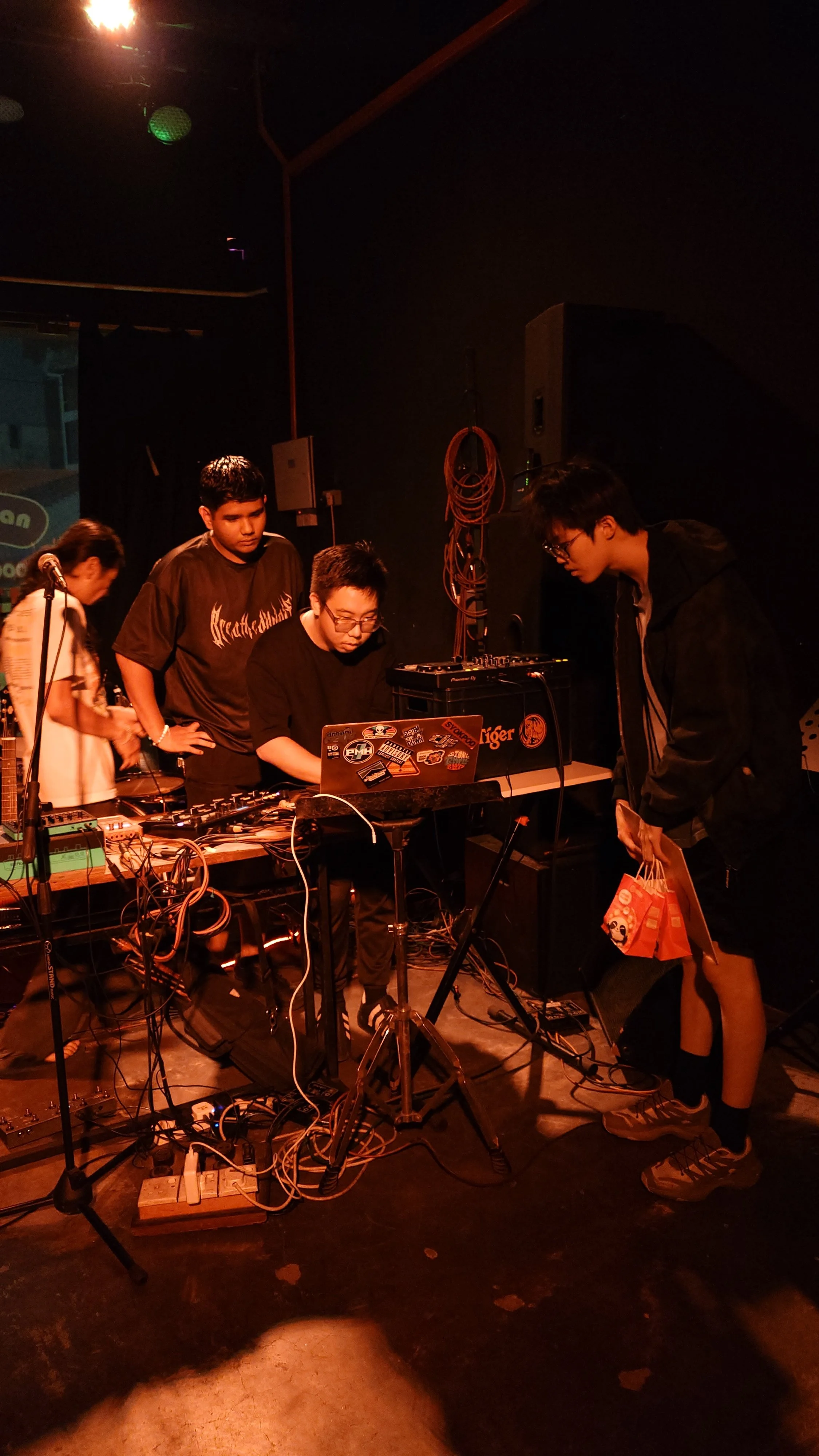
Inside Soundmaker Studio, red light fell across a tangle of cables, effects pedals, and a laptop covered in stickers. Posters crowded the black walls, while exposed beams ran overhead. The equipment occupied much of the small performance area: guitars, microphones, a drum kit, and electronic instruments shared the same space. Listening to the performance, I struggled to reconcile this room with the Penang I thought I had begun to understand.
Buddha Beat’s psychedelic rock brought together flute, guitar, and synthesized sounds. Delay and reverb stretched the instruments into an enveloping atmosphere. The DJ performances moved through harder electronic styles, including psytrance, hardstyle, and drum and bass. As an electronic music producer, I recognized sounds associated with scenes I followed overseas. Some felt more “Western,” even more “advanced,” than what I had encountered in venues in China’s major cities.
Those words came to me almost automatically. Only later did I begin to question what they meant.
On my first morning in Penang, loud music had accompanied our walk through a market. Its melodies, vocal style, and production reminded me of older Chinese-language ballads. Surrounded by aging buildings, I felt that I had entered a place whose music belonged to another era. In my notes, I described it as 落后: backward, or behind.
I had arrived with a timeline already in my head. Music moved from old sounds toward new ones, from familiar arrangements toward experimentation, from simpler production toward greater technical complexity. I placed different societies along that timeline according to what I happened to hear. A few songs in a market became evidence for a judgment about an entire musical culture.
Soundmaker unsettled that judgment. Yet my first response was simply to move it higher on the same scale. Here, finally, was a place that seemed “ahead.”